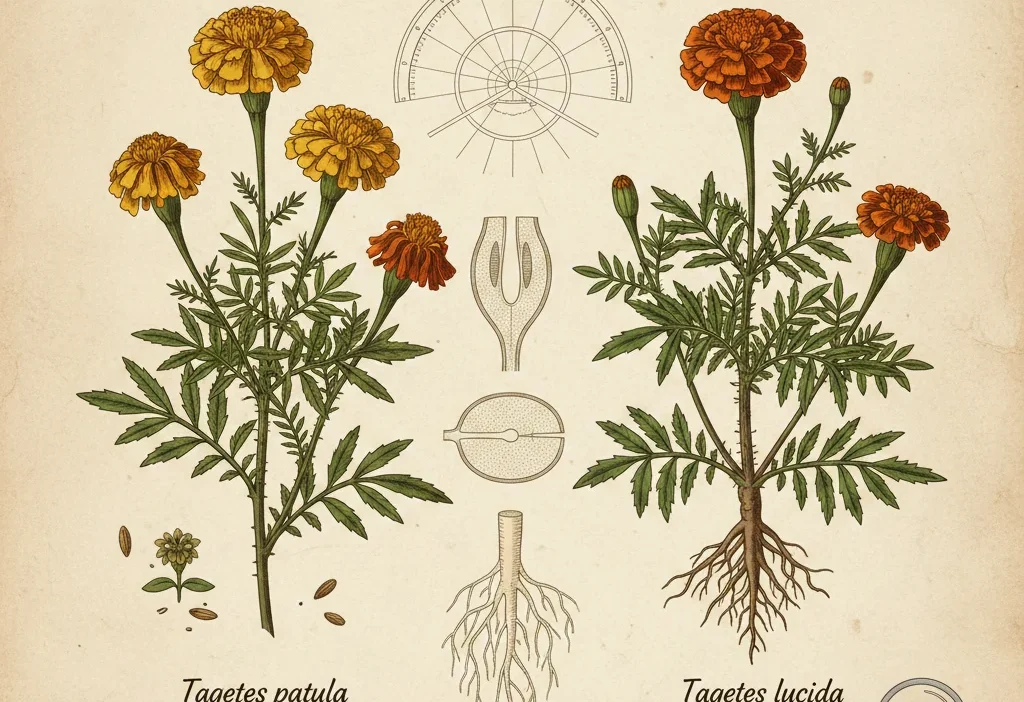
👉 Marigolds are usually grown as annuals, but some types can act like perennials in warm climates.
In simple words: most marigolds live for one season, bloom brightly, then die — but in frost-free areas, a few may come back year after year.
Now let’s break this down in the easiest way possible 🌼
Many gardeners, beginners, and even plant lovers often ask the same confusing question: are marigolds annuals or perennials?
The confusion happens because marigolds behave differently depending on their type and climate.
Some people plant marigolds every year. Others see them return without replanting. So which is correct?
In this simple and friendly guide, you will learn:
- The clear meaning of annuals and perennials
- The exact answer to are marigolds annuals or perennials
- The difference between annual and perennial marigolds
- Easy examples, tips, and mistakes to avoid
This article is written in plain English, with short sentences and real-life examples — so even a 4th-grade student can understand it easily.
Let’s start from the basics 🌱
What Does Each Term Mean?
To understand are marigolds annuals or perennials, we must first know what annuals and perennials mean.
What Are Annual Plants?
Annuals are plants that:
- Grow
- Bloom
- Make seeds
- Die
👉 All in one year
After one season, they are finished.
Easy examples of annuals:
- Petunias
- Zinnias
- Most marigolds
Simple sentence:
- “I plant marigolds every spring because they are annuals.”
Think of annuals like a one-year school notebook.
You use it for one year, then get a new one.
What Are Perennial Plants?
Perennials are plants that:
- Live for many years
- Grow back every season
- Do not need replanting each year
Easy examples of perennials:
- Roses
- Lavender
- Mint
Simple sentence:
- “My rose plant comes back every year. It is a perennial.”
Think of perennials like your school building.
It stays year after year.
Are Marigolds Annuals or Perennials? (Clear Answer)
Now the big question again:
Are marigolds annuals or perennials?
✅ Most marigolds are annuals.
❗ Some marigolds can act like perennials in warm climates.
That’s the full truth.
Why the Confusion Happens
People get confused because:
- Marigolds drop seeds easily
- New plants grow from old seeds
- It looks like the plant “came back”
But the original plant usually dies.
Types of Marigolds and Their Life Cycle
Understanding the types of marigolds makes the answer very clear.
1. African Marigolds (Tagetes erecta)
- Tall plants
- Big flowers
- Annual
Example:
- “African marigolds bloom all summer but die in winter.”
2. French Marigolds (Tagetes patula)
- Small and bushy
- Very popular
- Annual
Example:
- “French marigolds are planted fresh every year.”
3. Signet Marigolds (Tagetes tenuifolia)
- Small flowers
- Edible petals
- Annual
4. Perennial Marigolds (Rare)
Some marigolds can survive as perennials in:
- Tropical areas
- Frost-free climates
Example:
- Tagetes lemmonii (Mexican marigold)
This type can live many years in warm regions.
The Key Difference Between Annual and Perennial Marigolds
| Feature | Annual Marigolds | Perennial Marigolds |
|---|---|---|
| Life span | One season | Many years |
| Replanting | Every year | Not needed |
| Climate | Any climate | Warm climates only |
| Common type | Very common | Rare |
| Example | French marigold | Mexican marigold |
Quick Tip to Remember
👉 If winter frost kills it, it’s an annual.
👉 If it survives winter, it’s a perennial.
Common Mistakes and How to Avoid Them
Mistake 1: “My marigolds came back, so they are perennials”
❌ Wrong
✔ Correct: New plants grew from fallen seeds.
Mistake 2: Thinking all marigolds are the same
❌ Wrong
✔ Correct: Different marigold types have different life cycles.
Mistake 3: Not checking climate
❌ Wrong
✔ Correct: Climate changes how marigolds grow.
When to Treat Marigolds as Annuals
Use marigolds as annuals if:
- You live in a cold area
- There is winter frost
- You want quick, bright flowers
Easy examples:
- Plant marigolds in spring
- Enjoy blooms in summer
- Remove plants in winter
Simple sentence:
- “I grow marigolds as annuals in my garden.”
When Marigolds Can Act Like Perennials
Marigolds may act like perennials if:
- You live in a warm climate
- There is no frost
- The soil stays warm
Example sentence:
- “In warm areas, some marigolds grow back every year.”
Memory Hack 🧠
🌞 Warm sun = longer life
❄️ Cold frost = one-season life
Quick Recap: Annuals vs Perennials (Marigolds)
- 🌼 Most marigolds are annuals
- 🌼 They live for one growing season
- 🌼 Some types act like perennials in warm areas
- 🌼 Climate decides everything
Advanced Tips (Optional)
History of Marigolds
- Native to Mexico and Central America
- Used in gardens and festivals
- Famous in Day of the Dead celebrations
Use in Exams or Writing
Correct sentence:
- “Marigolds are usually grown as annuals.”
Incorrect sentence:
- “All marigolds are perennials.” ❌
Online Writing Tip
Wrong plant info can confuse readers and hurt trust.
Mini Quiz: Test Yourself 🌱
Fill in the blanks:
- Most marigolds are __________.
- Perennials live for __________ years.
- Frost usually kills __________ plants.
- Warm climates can make marigolds act like __________.
- French marigolds are __________ plants.
(Answers: annuals, many, marigold, perennials, annual)
FAQs:
1. Are marigolds annuals or perennials in the US?
Most are annuals, especially in cold states.
2. Do marigolds come back every year?
Usually no, unless seeds grow again.
3. Can marigolds survive winter?
Only in warm, frost-free climates.
4. Are marigolds perennials in pots?
No, pots get cold faster.
5. Which marigold is perennial?
Mexican marigold in warm regions.
Conclusion
Now you clearly know the answer to are marigolds annuals or perennials.
Most marigolds are annual plants.
They bloom beautifully for one season and then die.
In warm climates, a few special types can live longer and act like perennials.
Understanding this helps you:
- Plan your garden better
- Save money
- Grow healthier plants

Francis Sufford crafts thoughtful, insightful explanations on language, meaning, and usage, blending clarity with storytelling to guide readers effectively.