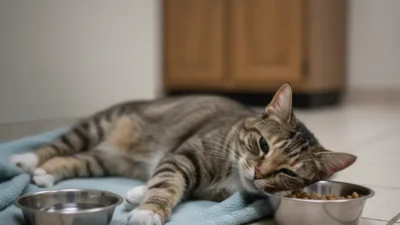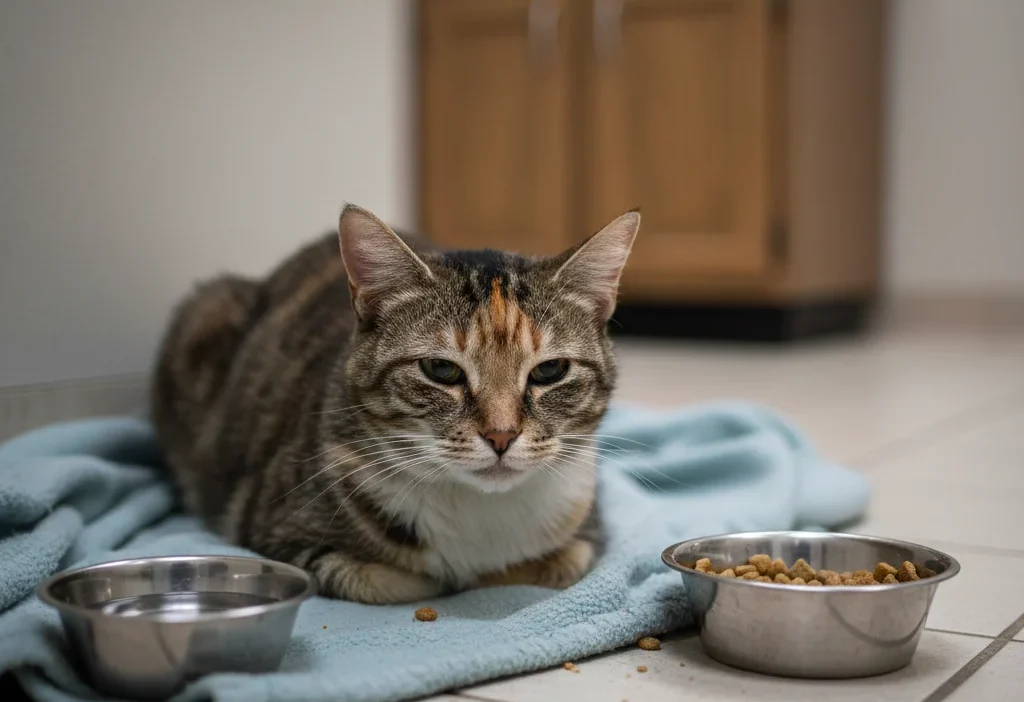
If your cat is not eating or drinking, it can indicate stress, illness, or other underlying health issues. Pay attention to behavior changes and consult a vet if the problem persists.
Many cat owners often panic when their furry friend suddenly stops eating or drinking. The phrases “cat not eating” and “cat not drinking” are sometimes used interchangeably, but they can indicate different health concerns. Understanding the difference is crucial for your cat’s well-being.
In this guide, you will learn the meaning of each condition, the key differences, common mistakes in handling them, and practical solutions. By the end, even beginners will clearly know when to worry, how to help, and how to prevent serious issues.
What Does Each Phrase Mean?
Cat Not Eating
When a cat is not eating, it refuses food either partially or completely. This condition can be caused by stress, dental issues, infections, or digestive problems.
Part of Speech: Phrase (describing a condition).
Examples:
- My cat is not eating her dinner tonight.
- After the move, the kitten stopped eating.
- The vet said a cat not eating can indicate illness.
Cat Not Drinking
A cat not drinking refers to reduced or absent water intake. Dehydration can become serious if ignored and is often linked to kidney problems, urinary tract issues, or general illness.
Part of Speech: Phrase (describing a condition).
Examples:
- The cat is not drinking enough water.
- He noticed the cat not drinking for two days.
- A cat not drinking can quickly lead to dehydration.
The Key Difference Between Cat Not Eating and Cat Not Drinking
| Condition | Meaning | Common Causes | Example Sentence |
|---|---|---|---|
| Cat Not Eating | Refusal to eat food | Stress, dental issues, illness, change in environment | My cat is not eating her breakfast after the vet visit. |
| Cat Not Drinking | Refusal to drink water | Kidney issues, dehydration, urinary infections | The kitten is not drinking enough water today. |
Quick Tip: If a cat stops drinking, dehydration can become dangerous faster than if it stops eating.
Exfoliate Before or After Shaving? The Hidden Truth Revealed
Common Mistakes and How to Avoid Them
Mistake 1: Thinking refusal to eat is the same as refusal to drink.
Correction: Treat each separately; monitor both food and water intake.
Mistake 2: Ignoring subtle signs like lethargy or hiding.
Correction: Observe behavioral changes; consult a vet early.
Mistake 3: Forcing a cat to eat or drink.
Correction: Use gentle encouragement like wet food, flavored water, or syringes under guidance.
When to Use “Cat Not Eating”
Use this phrase when your cat refuses meals or shows lack of appetite.
Examples:
- The cat is not eating her favorite tuna.
- After the stress of fireworks, the kitten is not eating.
- The vet noticed my cat not eating for three days.
- Observe if a cat not eating also shows weight loss.
- Offer small portions of wet food when a cat is not eating.
When to Use “Cat Not Drinking”
Use this phrase when a cat avoids water or liquids.
Examples:
- The cat is not drinking enough after surgery.
- Monitor your kitten if it is not drinking for over 24 hours.
- The cat not drinking can indicate kidney problems.
- Offer ice cubes or broths if a cat is not drinking.
- Memory hack: “Eating can wait, drinking cannot!”
Quick Recap: Cat Not Eating vs Cat Not Drinking
- Cat Not Eating: Refusal of food, slower health impact, often stress-related.
- Cat Not Drinking: Refusal of liquids, rapid dehydration risk, medical emergency if ignored.
- Always monitor both behaviors carefully.
- Early intervention can save your cat’s life.
Advanced Tips
- Origin: Both phrases are modern veterinary terms used in English-speaking pet care.
- Formal Writing: Can be used in vet reports or pet care blogs.
- Online Use: Avoid using casually in social media; clarity matters.
Mini Quiz
Fill in the blanks:
- My kitten ___ not eating her breakfast after the move.
- If a cat ___ not drinking for two days, call a vet immediately.
- Stress can make a cat ___ not eating.
- Kidney issues often cause a cat ___ not drinking.
- Always observe behavior when a cat ___ not eating or drinking.
FAQs
- Q: How long can a cat go without eating?
A: Usually 24–48 hours before health risks increase. - Q: How long can a cat go without drinking?
A: Only 24 hours can cause serious dehydration. - Q: Should I force my cat to eat or drink?
A: No, gently encourage with wet food or flavored water. - Q: Can illness cause both conditions?
A: Yes, infections, kidney problems, or stress can cause refusal to eat and drink. - Q: When should I see a vet?
A: If your cat hasn’t eaten or drunk anything for more than 24 hours.
Conclusion
Understanding the difference between cat not eating and cat not drinking is essential for any cat owner. Watching for early signs, offering gentle encouragement, and seeking veterinary care can prevent serious health issues. Practice observing your cat’s habits daily, and you’ll quickly know when to act. With patience and care, keeping your furry friend healthy is simple and manageable.

Eley Williams writes clear, engaging guides on confusing words and phrases, helping readers understand meanings, differences, and correct usage with ease.