Have you ever wondered whether to say “Jew” or “not Jew” in a sentence without sounding awkward or insensitive? Many people struggle with this, but this guide will make it simple and clear — even for beginners!
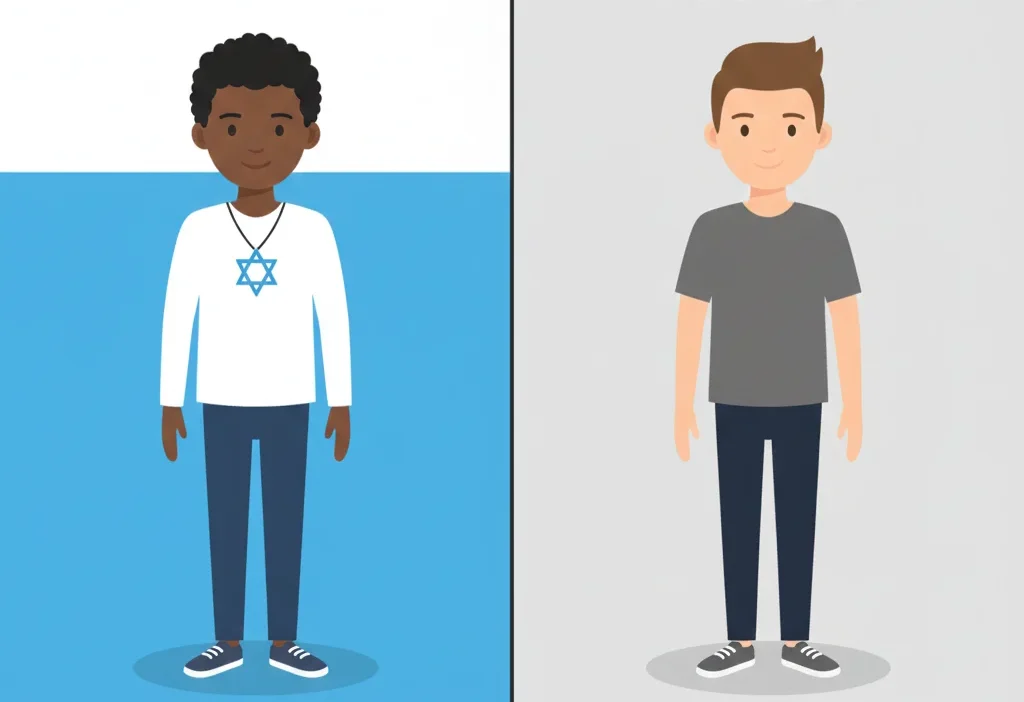
The terms “Jew” and “not Jew” are often misunderstood or misused, leading to confusion in conversation, writing, or even online discussions. While “Jew” refers to someone who follows Judaism or identifies with Jewish culture, “not Jew” simply refers to anyone who is not Jewish.
People mix these up for several reasons — cultural sensitivity, phrasing mistakes, or uncertainty about the correct context. In this guide, you’ll learn the precise meanings, correct usage, common mistakes, and helpful examples. By the end, even beginners will confidently know when to use “Jew” and when “not Jew” is appropriate.
What Does Each Word Mean?
Jew
- Meaning: A Jew is a person who belongs to the Jewish religion or culture.
- Part of Speech: Noun
- Examples:
- Sarah is a Jew and celebrates Hanukkah every year.
- My neighbor is a Jew who enjoys traditional Jewish food.
- The school invited a Jew to speak about cultural diversity.
Mini story: Imagine a classroom where every student talks about their background. If someone says, “I am a Jew,” it simply shares their cultural or religious identity.
Not Jew
- Meaning: Refers to anyone who is not Jewish. It’s used to describe a person who doesn’t follow Judaism or identify as Jewish.
- Part of Speech: Phrase (noun + negation)
- Examples:
- Tom is a not Jew, but he loves learning about Jewish traditions.
- All students in the class are not Jew except Leah.
- She is a not Jew and enjoys celebrating other festivals.
Mini story: If the same classroom includes students of other faiths, saying someone is “not Jew” simply clarifies they do not belong to the Jewish community.
The Key Difference Between Jew and Not Jew
| Feature | Jew | Not Jew |
|---|---|---|
| Meaning | A person who is Jewish by religion or culture | A person who is not Jewish |
| Part of Speech | Noun | Phrase (noun + negation) |
| Usage | To identify Jewish individuals | To describe those who are not Jewish |
| Example Sentence | “David is a Jew and observes Yom Kippur.” | “Lily is not Jew, but she enjoys Hanukkah with her friends.” |
Quick Tip: If you want to identify someone as part of the Jewish community, use Jew. If you want to clarify they aren’t Jewish, use not Jew.
Common Mistakes and How to Avoid Them
- Incorrect: “She is Jew.”
Correct: “She is a Jew.”- Why: Missing the article “a” makes the sentence grammatically incorrect.
- Incorrect: “He is not a Jewish.”
Correct: “He is not Jew.”- Why: “Jewish” is an adjective; “Jew” is the noun form. Mixing them creates confusion.
- Incorrect: “All people Jew.”
Correct: “All people are Jews.”- Why: Plural nouns and correct verb usage matter.
When to Use Jew
Use Jew when you need to:
- Identify someone as Jewish
- Talk about religion, culture, or heritage
- Refer to individuals respectfully in writing or speech
Examples:
- Michael is a Jew who celebrates Rosh Hashanah.
- The museum hosted a Jew to discuss cultural history.
- I met a Jew at the conference who shared fascinating stories.
- A Jew visited our school to explain Hanukkah traditions.
- She is a Jew and enjoys cooking traditional recipes.
When to Use Not Jew
Use not Jew to:
- Describe someone who isn’t Jewish
- Clarify identity in mixed groups
- Avoid assumptions about culture or religion
Examples:
- James is not Jew but enjoys learning about different faiths.
- Everyone in the team is not Jew except Sarah.
- He is not Jew and does not observe Jewish holidays.
- She is not Jew, so she chose a different festival to celebrate.
Memory Hack: Think of Jew = “yes, part of the Jewish community”, not Jew = “no, not part of the Jewish community”.
Quick Recap: Jew vs Not Jew
- Jew: Refers to someone who is Jewish (noun).
- Not Jew: Refers to someone who isn’t Jewish (phrase).
- Rule of thumb: Use “a Jew” to identify, “not Jew” to clarify non-membership.
- Common mistake: Forgetting the article “a” or confusing adjective vs noun forms.
Advanced Tips
- Origin: “Jew” comes from the Latin Iudaeus, meaning someone from the instead of Judah.
- Formal writing: Always use “a Jew” or “not Jew” to maintain clarity and respect.
- Online use: Avoid shorthand or insensitive phrasing; misusing these terms can cause offense.
Mini Quiz
Fill in the blanks:
- Sarah is ___ who celebrates Hanukkah.
- Tom is ___ but enjoys learning about Jewish traditions.
- Everyone in the classroom is ___ except Leah.
- Michael is ___ and observes Yom Kippur.
- She is ___, so she celebrates Diwali instead.
Answers: 1. a Jew, 2. not Jew, 3. not Jew, 4. a Jew, 5. not Jew
FAQs
- Is “Jew” offensive?
No, when used respectfully as a noun, it simply identifies someone’s religion or culture. - Should I always say “a Jew”?
Yes, including the article “a” keeps the sentence grammatically correct. - Can I use “Jewish” instead?
Use “Jewish” as an adjective (e.g., Jewish tradition) and “Jew” as a noun. - Is “not Jew” grammatically correct?
Yes, it correctly describes someone who is not Jewish. - How do I remember the difference?
Think “Jew = yes, part of the community” and “not Jew = no, not part of the community.”
Conclusion
Understanding Jew vs not Jew is simple once you know the meaning, usage, and context. Remember: Jew identifies someone as Jewish, and not Jew clarifies someone isn’t Jewish. With practice and real-life examples, you’ll confidently use these terms without mistakes. Keep learning, and every day your English will get clearer and stronger!

Francis Sufford crafts thoughtful, insightful explanations on language, meaning, and usage, blending clarity with storytelling to guide readers effectively.