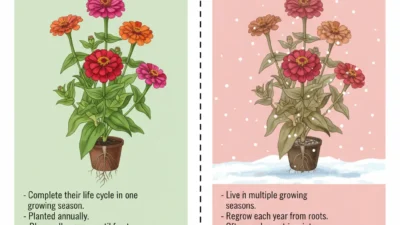
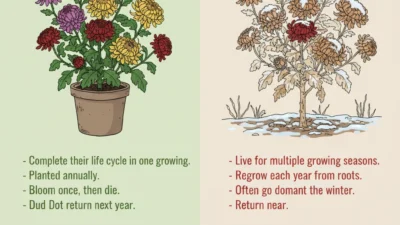
Most marigolds are annuals, meaning they live for only one season.
But some marigold varieties can act like perennials in warm climates where winters are not freezing.
Are marigolds annuals or perennials? This is one of the most common gardening questions, especially for beginners. Many people get confused because marigolds bloom for a long time, grow fast, and sometimes even come back the next year — but not always. So, what’s the real difference? And how do you know which type you have?
In this simple, friendly, and fully beginner-friendly guide, you’ll learn the meaning of annual marigolds, the meaning of perennial marigolds, the difference between them, clear examples, how to use these terms correctly, and how to remember everything easily. This article is written so simply that even a class 4 student can understand it — with short sentences, fun examples, and easy comparisons.
What Does Each Word Mean?
What Are Annual Marigolds?
Annuals are plants that grow, flower, make seeds, and die — all in one season. They do not return next year unless you replant them.
Easy Examples of Annual Marigolds:
- You plant them in spring and they die in winter.
- They bloom fast and give lots of flowers.
- You must buy or plant new ones every year.
Short Memory Story:
Think of “annual” like an “anniversary” — it happens once a year.
What Are Perennial Marigolds?
Perennials are plants that live for more than two years. They come back every year when the weather gets warm again.
Easy Examples of Perennial Behavior:
- They sleep in winter and grow again in spring.
- You don’t have to replant them every year.
- They usually grow slower but last longer.
Short Memory Trick:
Perennial = “Permanent” (almost!). They stick around for years.
The Key Difference Between Annual vs Perennial Marigolds
Below is the simplest way to understand the difference between annual marigolds and perennial marigolds:
Comparison Table:
| Feature | Annual Marigolds | Perennial Marigolds |
|---|---|---|
| Life Span | 1 season | Many years |
| Winter Survival | Die in cold | Return next year |
| Blooming | Fast + heavy | Slow but steady |
| Care Level | Easy | Medium |
| Replant Needed? | Yes | No |
| Common Type | African & French Marigold | Mexican/Tagetes lucida |
Quick Tip to Remember
- Annual = 1 year
- Perennial = Many years
Common Mistakes and How to Avoid Them
❌ Mistake 1: Thinking all marigolds are annuals
Correction:
Some types behave like perennials in warm climates (zones 9–11).
❌ Mistake 2: Assuming a plant is perennial because it reseeded itself
Correction:
That’s not the plant coming back — that’s a new baby plant from the seed.
❌ Mistake 3: Buying marigolds without checking the type**
Correction:
Always check the plant tag or variety name.
When to Use “Annual Marigolds”
Use this phrase when referring to marigold varieties that grow only for one season.
Examples:
- “I plant annual marigolds every spring.”
- “These annual marigolds bloom brighter but die after winter.”
- “For quick color, choose annual varieties.”
- “Most French marigolds are annuals.”
- “Annual marigolds grow fast in warm weather.”
When to Use “Perennial Marigolds”
Use this when talking about marigolds that come back every year in warm areas.
Examples:
- “In my region, some marigolds act like perennials.”
- “The perennial marigold grows slowly but lasts many years.”
- “Mexican marigolds are usually perennials.”
- “If winters are mild, your marigolds may behave like perennials.”
- “Gardeners love perennial marigolds for long-term planting.”
Memory Hack:
Perennial = “Perma” (permanent feeling)
Quick Recap: Annual vs Perennial Marigolds
- Annual marigolds live only 1 season.
- Perennial marigolds return every year in warm climates.
- Annuals bloom fast; perennials bloom slowly.
- Annuals die in winter; perennials survive.
- Some marigolds may reseed — but that doesn’t make them perennial.
Advanced Tips (Optional for Learners)
- The word annual comes from Latin annus, meaning “year.”
- The word perennial comes from Latin perennis, meaning “lasting through the years.”
- In textbooks or exams, these terms are used in biology and gardening.
- In warmer climates, marigolds may act like perennials even if they are not truly perennial.
- In online writing, using the wrong term can confuse gardeners about plant care.
Mini Quiz (Test Yourself!)
Fill in the blanks:
- Marigolds that live for only one season are called __________.
- Marigolds that return every year are __________.
- Reseeding does not mean a plant is __________.
- African marigolds are usually __________.
- Tagetes lucida is a type of __________ marigold.
- Annual = __________ year.
- Perennial = __________ years.
Conclusion
Now you know the clear difference between annual marigolds and perennial marigolds. Annuals bloom fast and brighten your garden for one season, while perennials return year after year in warm climates. No matter which type you choose, marigolds are cheerful, colorful, and easy to care for. Keep practicing these terms, and soon you’ll use them with full confidence — whether you’re learning English or improving your gardening skills.
FAQs
1. Are marigolds annuals or perennials?
Most marigolds are annuals, but some types can behave like perennials in warm climates.
2. Can marigolds come back every year?
Yes, but only if winter is mild — or if the marigolds reseed naturally.
3. Which marigold variety is perennial?
Mexican marigold (Tagetes lucida) is the most common perennial type.
4. Do I need to replant marigolds every year?
Annual marigolds must be replanted. Perennial marigolds return on their own.
5. Why did my marigolds come back even though they are annuals?
They didn’t return — their seeds sprouted new plants.

Polly Clark creates clear, insightful guides on language and usage, helping readers understand meanings, differences, and nuances with clarity and confidence.