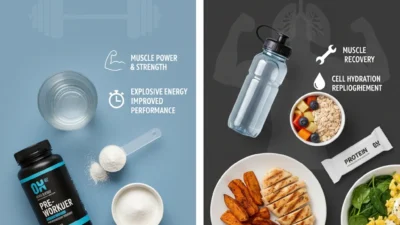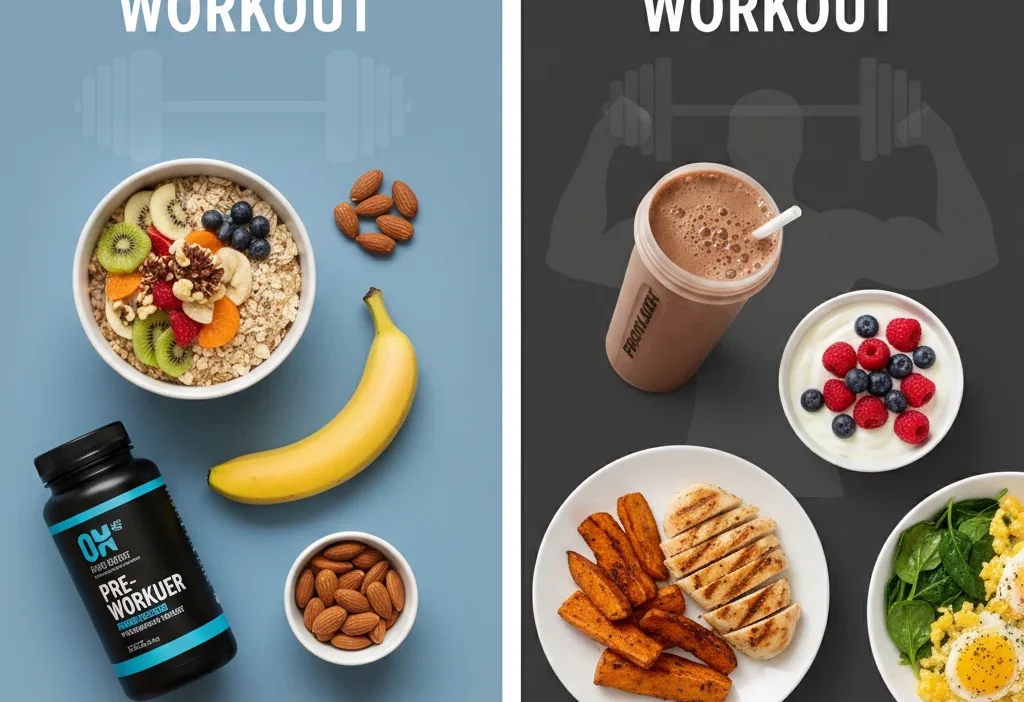
When it comes to protein before or after workout, the choice depends on your fitness goals. Eating protein before workout can fuel your muscles and improve performance, while consuming protein after workout helps repair and build muscle. Understanding the difference between protein timing, the correct usage of pre- and post-workout nutrition, and practical examples can help you maximize results.
Many fitness enthusiasts often wonder: should I take protein before or after workout? Choosing the right timing can feel confusing because both options have real benefits. People mix them up because they want muscle growth, fat loss, or better recovery, but aren’t sure which works best.
In this guide, you’ll learn the meaning of protein timing, the difference between consuming protein before and after workout, and practical examples. Whether you are a beginner or a gym regular, this article will simplify everything so you can use protein correctly for your goals.
By the end, you’ll know exactly when to take protein, how it affects your body, and some handy tips for everyday fitness.
What Does Each Option Mean?
Protein Before Workout
Protein before workout means consuming a protein-rich meal or shake 30–60 minutes before exercise. Its main purpose is to provide your muscles with amino acids for energy and to prevent muscle breakdown during your session.
Part of speech: Noun phrase (referring to timing of nutrient intake).
Examples:
- I drink a whey protein shake before my workout to boost energy.
- Eating eggs and toast before exercise keeps me full and strong.
- A banana with peanut butter before the gym helps me perform better.
Tip: Think of it as “fueling your muscles” before the workout.
Protein After Workout
Protein after workout refers to consuming protein within 30–60 minutes after exercise to help muscles recover and grow. This timing supports muscle repair, strength building, and glycogen replenishment.
Part of speech: Noun phrase.
Examples:
- I take a protein shake after training to recover faster.
- Chicken with rice post-workout helps my muscles rebuild.
- Greek yogurt after exercise is perfect for recovery.
Tip: Think of it as “repairing and rebuilding” what you used during your workout.
The Key Difference Between Protein Before or After Workout
| Aspect | Protein Before Workout | Protein After Workout | Quick Tip |
|---|---|---|---|
| Main Purpose | Fuel muscles and prevent breakdown | Repair and build muscles | “Fuel first, repair later” |
| Timing | 30–60 mins before exercise | 30–60 mins after exercise | Use clock to remember |
| Benefits | Increased energy, improved performance | Faster recovery, muscle growth | Match to your goal |
| Examples | Whey shake, eggs, banana | Chicken, protein shake, yogurt | Think pre = energy, post = repair |
Quick Tip: If your goal is performance, focus on protein before workout. If your goal is recovery or growth, focus on protein after workout.
Common Mistakes and How to Avoid Them
- Skipping pre-workout protein
❌ Incorrect: Drinking coffee only before the gym
✅ Corrected: Drink a whey shake or eat eggs before training - Ignoring post-workout nutrition
❌ Incorrect: Going home without eating protein
✅ Corrected: Have chicken, yogurt, or a protein shake after exercise - Overloading on protein at the wrong time
❌ Incorrect: Eating a huge protein meal 10 minutes before workout
✅ Corrected: Eat a light, digestible protein snack before training
Why these mistakes happen: People focus only on supplements or timing without balancing meal size, digestion, and workout intensity.
When to Use Protein Before Workout
Use protein before workout if you want:
- More energy during exercise
- Reduced muscle breakdown
- Sustained performance
Examples in daily life:
- Drink a whey shake 45 minutes before the gym.
- Have a boiled egg and toast before morning exercise.
- Peanut butter on toast works before a run.
- A banana smoothie is ideal before a HIIT session.
Memory Hack: Pre-workout = “prepare and perform”.
When to Use Protein After Workout
Use protein after workout if you want:
- Muscle recovery and growth
- Reduced soreness
- Quick replenishment of energy stores
Examples in real life:
- Drink a protein shake after lifting weights.
- Eat grilled chicken with rice post-workout.
- Greek yogurt with fruit works after morning cardio.
- Protein smoothie after sports practice helps muscles rebuild.
Memory Hack: Post-workout = “repair and rebuild”.
Quick Recap: Protein Before vs After Workout
- Protein Before Workout: Fuels energy, reduces breakdown, eat 30–60 mins prior
- Protein After Workout: Helps recovery and muscle growth, eat 30–60 mins after
- Best Practice: Combine both if possible for maximum results
- Real-Life Example: Whey shake before, chicken or yogurt after
Advanced Tips
- Protein timing has roots in sports nutrition research, showing that muscle protein synthesis is highest after training.
- Formal exams or articles may ask for “pre- and post-workout nutrition”, which is just a scientific way of saying protein before and after exercise.
- Online myths: Some people think only post-workout protein matters, but both timings support fitness goals.
Mini Quiz
Fill in the blanks:
- I usually drink a whey shake _____ my workout to get energy.
- Eating chicken with rice _____ my workout helps muscle recovery.
- Pre-workout protein helps _____ performance.
- Post-workout protein helps _____ muscles.
- A banana before a run is an example of _____ protein.
Answers: 1. before, 2. after, 3. improve, 4. repair, 5. pre-workout
FAQs
1. Can I skip pre-workout protein?
Yes, but it may reduce performance. A small snack is enough.
2. Is protein powder necessary?
No, whole foods like eggs, yogurt, or chicken also work.
3. How much protein should I take?
20–30 grams per meal or shake is a good general guideline.
4. Can I take protein both before and after?
Yes, this is ideal for energy, recovery, and muscle growth.
5. Does timing matter more than total protein?
Total daily protein is most important, but timing helps optimize results.
Conclusion
Understanding protein before or after workout is simple when you know the purpose of each. Pre-workout protein fuels your body and boosts performance, while post-workout protein repairs muscles and supports growth. By practicing proper timing and using real-life examples, you can maximize energy, recovery, and fitness results.
Remember: start small, watch your body’s response, and enjoy learning how nutrition improves your workouts. With consistency, you’ll master protein timing and feel stronger every day.

Polly Clark creates clear, insightful guides on language and usage, helping readers understand meanings, differences, and nuances with clarity and confidence.