Are Yin and Black the same? Is Yin always dark and Yin never white? Most people get this completely wrong — and this simple mix-up can change the whole meaning of Yin–Yang. This guide finally clears it up with easy examples anyone can understand.
People often ask: Is Yin black or white? This simple question confuses millions because the Yin–Yang symbol looks artistic, and many think the colors can be swapped. But in traditional Chinese philosophy, colors have deep meaning. Understanding yin black or white helps you read symbols correctly, use these terms in writing, and avoid common mistakes.
In this beginner-friendly guide, you’ll learn the meaning of Yin, the meaning of Yang, what each color represents, and the difference between Yin and Yang in the simplest way possible. Every explanation uses plain English, easy examples, and real-life situations — so even a 4th-grade student can understand.
By the end, you’ll be able to confidently explain why Yin is black, Yang is white, and how these ideas are used in culture, writing, and daily life.
🔍 What Does Each Word Mean?
1. What Is Yin?
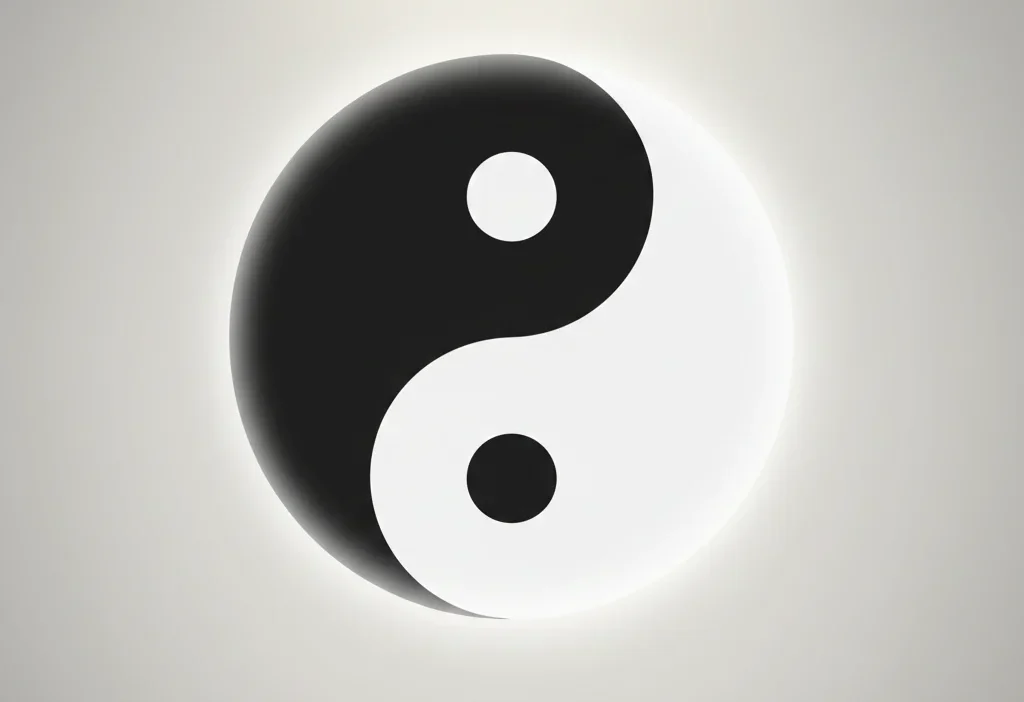
Yin = the black side of the Yin–Yang symbol.
It represents:
- darkness
- calm
- softness
- night
- stillness
- the moon
Think of Yin as the “quiet, cool, gentle” side of nature.
3 Easy Examples of Yin
- The quiet nighttime sky is Yin.
- Cool water that feels peaceful is Yin.
- A person sitting calmly and thinking is showing Yin energy.
2. What Is Yang?
Yang = the white side of the Yin–Yang symbol.
It represents:
- brightness
- energy
- warmth
- movement
- day
- the sun
Yang is the “active, warm, bright” side of nature.
3 Easy Examples of Yang
- The bright sun shining in the morning is Yang.
- Running, jumping, and being active shows Yang energy.
- Fire, because of its heat and power, is Yang.
⚖️ The Key Difference Between Yin and Yang (Simple Table)
| Feature | Yin (Black) | Yang (White) |
|---|---|---|
| Color | Black | White |
| Meaning | Quiet, cool, soft | Bright, warm, active |
| Symbol Side | Left side | Right side |
| Compared To | Night | Day |
| Example | Moonlight | Sunlight |
Quick Tip to Remember
➡️ Yin is black because night is dark.
➡️ Yang is white because daylight is bright.
❌ Common Mistakes and How to Avoid Them
Mistake 1: Mixing the Colors
❌ People say: “Yang is black.”
✔️ Correct: Yang is white.
Why it happens: Many people focus on the shapes, not the meaning.
Fix: Always think night = black (Yin), day = white (Yang).
Mistake 2: Calling Yin ‘bad’ and Yang ‘good’
❌ Wrong idea: “Black is evil, white is good.”
✔️ Correct: Yin isn’t bad — it means quiet, soft, peaceful.
Fix: Remember: Yin and Yang need each other. Night and day both matter.
Mistake 3: Thinking Yin and Yang are enemies
❌ Incorrect: “They fight each other.”
✔️ Correct: They balance each other.
Example:
Too much Yang (work) = burnout.
Too much Yin (rest) = laziness.
Balance is key.
🌑 When to Use “Yin” (With Easy Examples)
Use Yin when talking about:
- darkness
- quietness
- coolness
- softness
- the moon/night
- being calm or still
Simple Examples
- “The room felt peaceful and Yin.”
- “Her personality is gentle and Yin.”
- “The cold winter night has strong Yin energy.”
- “Meditation is a Yin activity.”
- “A dark, rainy day feels more Yin.”
Memory Hack for Yin
💡 Yin = Night → Night is dark → Dark is black.
☀️ When to Use “Yang” (With Easy Examples)
Use Yang when talking about:
- brightness
- heat
- movement
- the sun/day
- being energetic or bold
Simple Examples
- “His loud laugh is very Yang.”
- “Sunny weather brings strong Yang energy.”
- “Running fast is a Yang action.”
- “The bright fire has Yang qualities.”
- “Morning sunlight feels very Yang.”
Memory Hack for Yang
💡 Yang = Day → Day is bright → Bright is white.
🔄 Quick Recap: Yin vs Yang
- Yin = black, soft, night, cool.
- Yang = white, bright, day, warm.
- Yin and Yang balance each other.
- Yin is peaceful; Yang is active.
- Neither is “good” or “bad” — both are needed.
📘 Advanced Tips (For Deeper Understanding)
- Yin and Yang come from ancient Chinese philosophy called Taoism.
- Writers often use them to describe personality types or moods.
- In essays, Yin may describe calm scenes, while Yang describes action.
- In health topics, Yin = cooling foods; Yang = warming foods.
- Online, people often mix the colors — but the traditional rule never changes.
📝 Mini Quiz (Test Yourself!)
Fill in the blanks:
- The bright sun is an example of ________.
- Calm water at night is ________.
- Fire is usually ________ energy.
- Moonlight represents ________.
- Daytime brightness is ________.
- Soft, gentle behavior is called ________ energy.
- Hot weather shows strong ________ energy.
(Answers: Yang, Yin, Yang, Yin, Yang, Yin, Yang)
❓ Top 5 FAQs
1. Is Yin black or white?
Yin is black, representing night, calmness, and coolness.
2. Is Yang the white side?
Yes. Yang is white, symbolizing daytime, light, and activity.
3. Are Yin and Yang opposites?
They are complementary, not enemies — they balance each other.
4. Can Yin be good and Yang be bad?
No. Both are necessary. Too much of either causes imbalance.
5. Why is there a white dot in the black side and a black dot in the white side?
It shows that everything has a little of its opposite. In Yin, there is a bit of Yang, and in Yang, there is a bit of Yin.
🏁 Conclusion
Understanding yin black or white is easy when you remember a few simple ideas: Yin stands for the quiet, dark, peaceful side of life, while Yang represents the bright, active, warm side. Both work together to create balance — just like night and day. The more you practice using these terms, the easier it becomes to understand symbols, meanings, and cultural expressions. Keep learning, stay curious, and remember: language becomes clearer when explained simply.

Jenn Ashworth offers clear, engaging explanations of language and usage, helping readers grasp meanings, nuances, and differences with accuracy and ease.